
Mastering the Basics of Photography:
Camera Settings - Aperture and Depth of Field
Depth of field refers to the range of distances within a scene that appears acceptably sharp in an image. In simpler terms, it’s what’s in focus and what’s not in focus in a photograph.
A shallow depth of field means only a small portion of the image is in focus, creating a blurred background or foreground, while the subject is sharp. This effect is often used to isolate the main subject from its surroundings.
Conversely, a deep depth of field means a larger portion of the image, from foreground to background, is in focus. This is commonly used in landscape photography where the goal is to have everything in the scene sharp and clear.

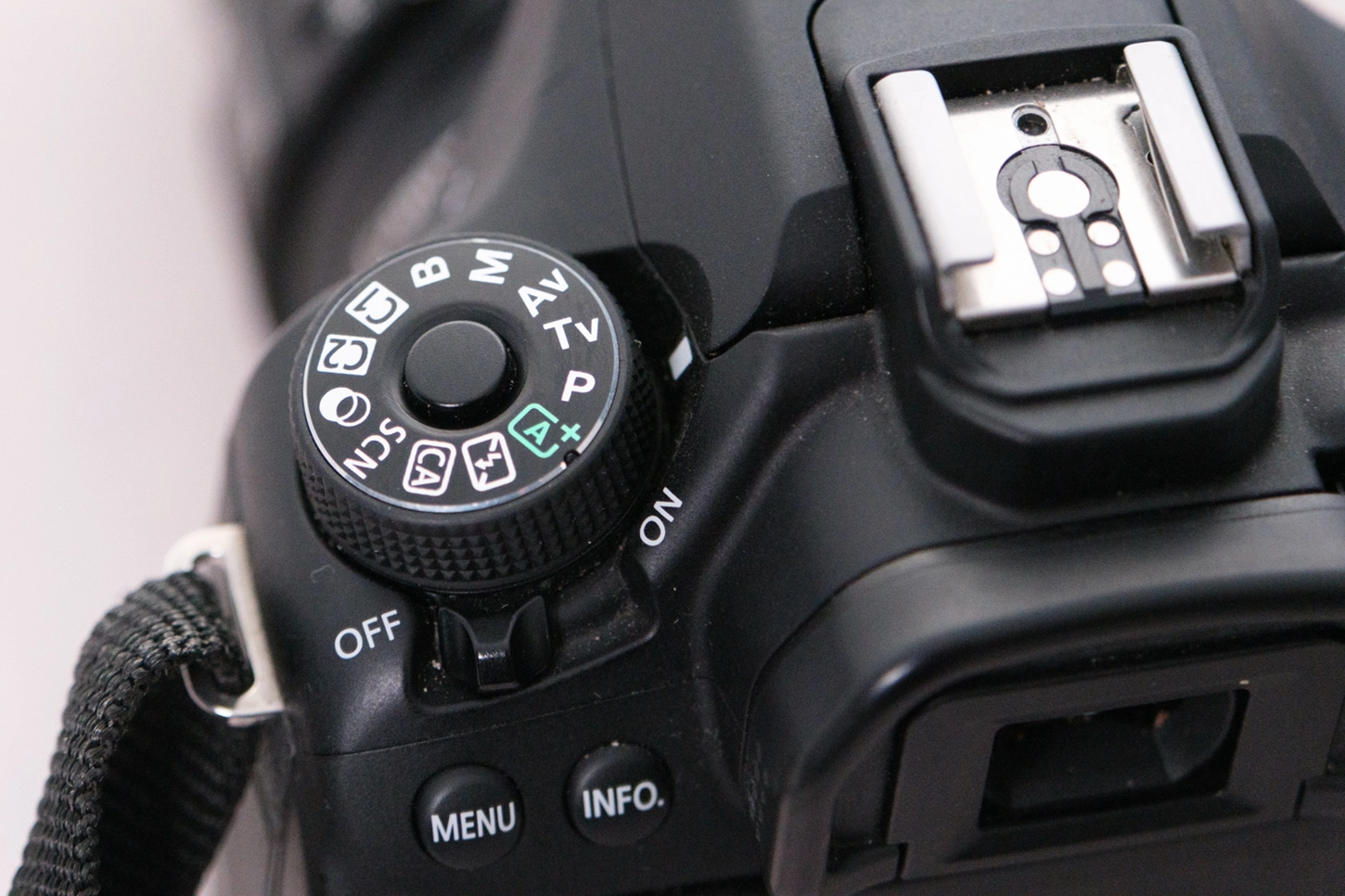
Controlling Factors:
The depth of field is influenced by factors such as aperture size, distance to the subject, and the focal length of the lens.
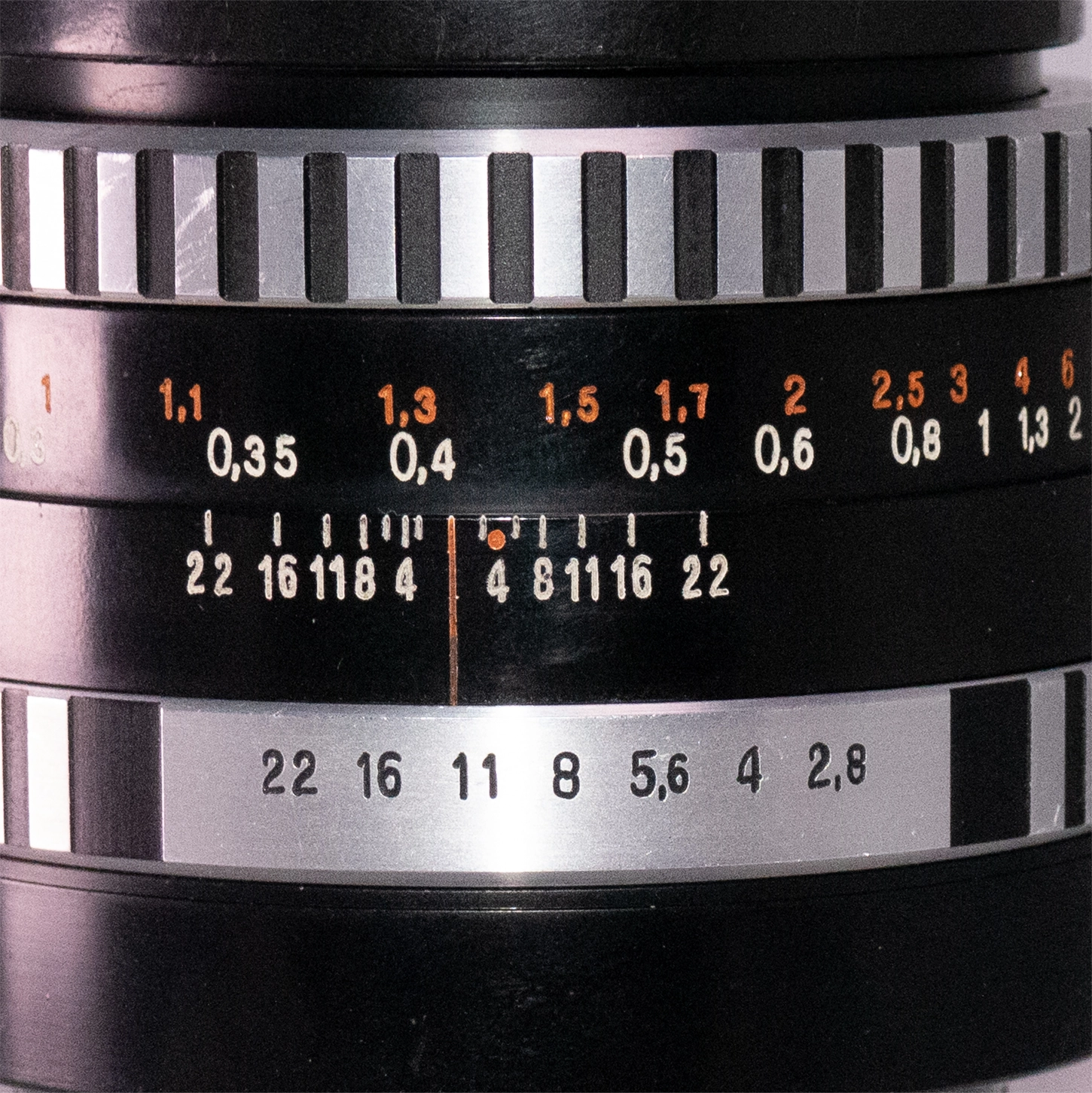
Aperture:
Aperture, measured in f-stops (e.g., f/2.8, f/5.6), controls the size of the opening in the lens.
A smaller aperture (higher f-stop number) increases depth of field, keeping more of the scene in focus, while a larger aperture (lower f-stop number) creates a shallow depth of field, isolating the subject.
ISO:
ISO measures the sensitivity of the camera sensor to light.
Lower ISO values (e.g., ISO 100) are suitable for well-lit scenes and produce images of the highest quality, while higher values (e.g., ISO 1600+) are used in lower-light conditions. However, higher ISO can introduce digital noise – the images are of lower quality.
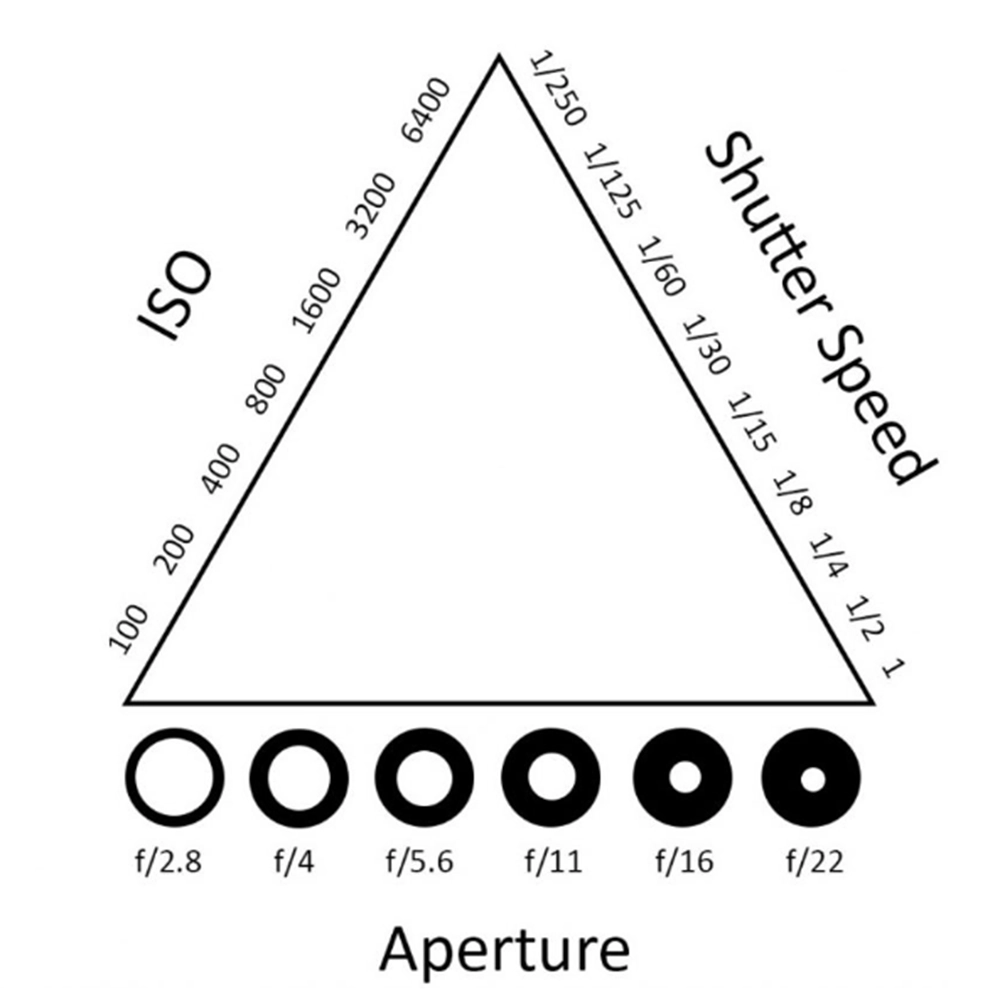
Exposure Triangle:
Shutter speed, aperture, and ISO form the exposure triangle. Balancing these three elements is crucial for achieving well-exposed photographs.
Changing one setting necessitates adjustments in the others to maintain proper exposure.
Always keeping in mind the final quality of the recorded image which can often be the compromise needed to record a sharp image under the prevailing conditions.
At the heart of it, a thorough understanding of how the parameters of exposure, aperture, and ISO influence light and depth in the image is fundamental to photography. The relationship between these settings and learning how to compensate for changes in one by adjusting another is crucial to achieving the proper exposure.
The exposure triangle is the foundation on which individual creative style and artistic vision evolves. Understanding how these elements play with light and depth is like unlocking the secret code of photography.


Metering:
Metering modes determine how the camera measures light. Common modes include spot, center-weighted, and evaluative/matrix metering.
Understanding metering helps you gauge the brightness of your scene and make informed exposure decisions.
White Balance:
White balance ensures accurate color representation in different lighting conditions.
Preset white balance settings or custom adjustments help neutralize color casts caused by artificial or natural light sources.
Focus Modes:
Autofocus is standard, but understanding focus modes (single-shot, continuous, manual) allows for more control.
Manual focus is valuable in situations where autofocus might struggle, such as low-light or complex scenes.
Tips for Mastery:
Practice Regularly:
Experimenting with manual settings in various environments sharpens your skills and builds confidence.
Know Your Gear:
Understanding your camera’s specific controls and capabilities empowers you to make quick adjustments.
Use Histograms:
Histograms provide a visual representation of the tonal range in your image, helping you achieve balanced exposures.
Embrace Creativity:
Manual settings open the door to creative expression. Play with different combinations to discover your unique photographic style.
.